









HPV vaccine: what it does, who it is for, and what it does not replace.
Human Papillomavirus (HPV) is a common infection linked to cervical cancer. The HPV vaccine reduces the risk of HPV-related disease — but vaccination and cervical screening work best together, not in place of each other.
Medically reviewed by Dr. Shweta Agarwal, MBBS, DGO · Last updated July 2026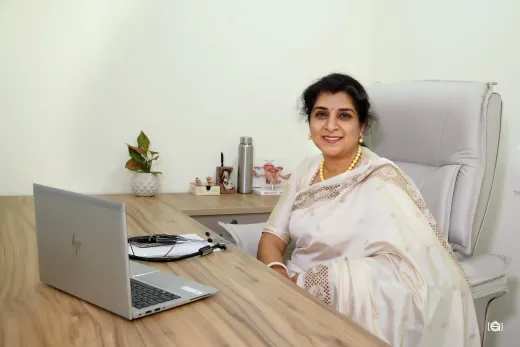 Govt. ART-registered
What is Human Papillomavirus (HPV)?
Human Papillomavirus (HPV) is a group of more than 200 related viruses, spread primarily through skin-to-skin contact. Most HPV infections clear on their own without symptoms. However, certain "high-risk" strains — particularly HPV 16 and HPV 18 — can persist and, over many years, cause cellular changes that may develop into cervical cancer or other cancers (vulvar, vaginal, anal, oropharyngeal).
Cervical cancer is among the more preventable cancers because it typically progresses slowly through detectable precancerous stages, and both vaccination (to reduce initial infection) and regular screening (to detect early changes) are effective public-health tools.
What does the HPV vaccine protect against?
Cervical cancer risk reduction
The HPV vaccine reduces the risk of cervical cancer caused by the high-risk strains it covers. HPV 16 and 18 together account for approximately 70% of cervical cancers. Vaccines targeting these strains have demonstrated significant reductions in precancerous cervical lesions in large clinical trials and real-world programmes.
Genital warts (low-risk strains)
The quadrivalent (4-strain) and nonavalent (9-strain) vaccines also protect against HPV 6 and 11, the strains responsible for most cases of genital warts. The bivalent (2-strain) vaccine does not include these strains.
What the vaccine does not do
The HPV vaccine does not treat existing HPV infection or existing cervical abnormalities. It does not cover all HPV strains. Protection is strongest when given before any exposure to the virus — it is not a therapeutic (treatment) vaccine. It is a preventive vaccine.
Screening is still essential
Even fully vaccinated women should continue regular cervical screening (Pap smear or HPV test) according to the schedule recommended by their doctor, because the vaccine does not cover all cancer-causing HPV strains.
Which HPV vaccines are available, and what do they cost?
Three HPV vaccines are available in India. The figures below are the manufacturer's MRP per dose as of 2026 — MRP is set by the manufacturer and may change over time, and the actual price you pay at a pharmacy can be lower. The number of doses depends on age.
| Vaccine | Strains covered | MRP (per dose) | Notes |
|---|---|---|---|
| Cervavac Serum Institute of India | 4-strain (6, 11, 16, 18) | ₹2,000 | Indigenous quadrivalent vaccine. Provided free for girls aged 9–14 under the national immunisation programme where available. |
| Gardasil 4 MSD | 4-strain (6, 11, 16, 18) | ₹3,927 | Quadrivalent; an older vaccine now being phased out and replaced by Gardasil 9 in many markets — availability may be limited. |
| Gardasil 9 MSD | 9-strain (6, 11, 16, 18, 31, 33, 45, 52, 58) | ₹10,850 | Nonavalent — covers the widest range of high-risk strains. The most expensive option. |
How many doses are needed?
Dosing depends on age at the first dose: 2 doses for ages 9–14, and 3 doses for ages 15–26. The full course cost is the per-dose price multiplied by the number of doses — so a Gardasil 9 course costs considerably more than a Cervavac course. Your doctor confirms the right schedule for you.
A note on price vs. protection
A higher-valent vaccine covers more strains but all licensed HPV vaccines protect against HPV 16 and 18 — the two types behind roughly 70% of cervical cancers. Which vaccine is appropriate is a decision to make with your doctor based on age, budget and availability, not on price alone.
MRP figures are set by the manufacturer and may change over time; they do not represent a quotation from Aansh. Availability of a specific vaccine at any given time is not guaranteed. Please confirm current price and stock at the time of consultation.
Who is the HPV vaccine recommended for?
Protection is strongest when vaccination is completed before exposure to HPV. Public-health guidance generally recommends:
- Primary target group: Girls aged 9–14 years — before the onset of sexual activity.
- Catch-up vaccination: Adolescent girls and women up to age 26 (and in some guidelines up to age 45) who have not previously been vaccinated.
- Adult women: Women beyond the primary target age may benefit from vaccination after discussion with their doctor, though evidence of benefit generally decreases with age and prior exposure.
The appropriate vaccine type (bivalent, quadrivalent or nonavalent), dosing schedule, and whether vaccination is appropriate for you are decisions to make with your doctor based on your age and history.
Cervical health services
Dr. Shweta Agarwal (MBBS, DGO) provides women's health consultations including discussion of HPV vaccination and cervical cancer screening.
Medical note: Information on this page is educational and does not replace a medical consultation. Outcomes depend on individual clinical factors. Last updated July 2026.
Frequently asked questions about the HPV vaccine
What is the HPV vaccine?
Who should get the HPV vaccine?
Does the HPV vaccine prevent cervical cancer?
How much does the HPV vaccine cost in India?
Is cervical screening still needed after vaccination?
Questions about HPV vaccination or cervical screening? Ask Dr. Shweta Agarwal.
Message us on WhatsApp or call. No medical history is needed to start the conversation, and nothing is decided in one visit.