









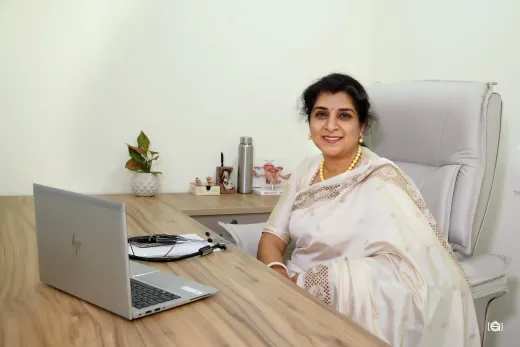
Medically reviewed by Dr. Shweta Agarwal, MBBS, DGO. Last updated: 16 July 2026.
Information on this page is educational and does not replace a medical consultation. Outcomes depend on individual clinical factors.
What is postnatal care, and why does it matter?
Postnatal care is planned medical review of both the mother and the newborn after birth. The World Health Organization (WHO, 2022 postnatal-care guideline) describes it as assessment of the mother's bleeding and physical recovery, the perineal or C-section wound, blood pressure and infection warning signs, feeding and lactation, and emotional wellbeing — alongside the newborn's weight, feeding, jaundice, cord condition, and immunisation.
A helpful distinction: postpartum care is the mother's recovery; newborn care is care of the baby in the first 28 days of life (WHO, Essential Newborn Care). The two are connected, which is why a good after-delivery review looks at mother and baby together. When a newborn needs medical assessment, a paediatric pathway is involved — an obstetrician does not replace a paediatrician or neonatologist.
Rest and family support matter — and Chandrapur families rightly value them — but warning signs, feeding difficulty, or newborn jaundice should not wait for a naming ceremony or the traditional confinement period to end. WHO-recommended checks begin within the first 24–72 hours.
What is the recommended postnatal visit schedule?
WHO (2022, Recommendation 44) recommends a minimum of four postnatal contacts for healthy mothers and babies: within 24 hours of birth, at 48–72 hours, at 7–14 days, and during week 6. India's revised Mother and Child Protection (MCP) Card (MoHFW) records checks on day 1, day 3, day 7, and week 6, and under the National Health Mission's Home Based Newborn Care (HBNC), an ASHA makes six home visits — days 3, 7, 14, 21, 28 and 42 — after an institutional delivery.
| Time after birth | Focus for the mother | Focus for the baby | Source |
|---|---|---|---|
| Within 24 hours | Vital signs, bleeding and uterine recovery, pain, infection risk | Breathing, temperature, activity, feeding, examination, birth vaccines; early skin-to-skin and breastfeeding | WHO 2022; MoHFW MCP Card |
| 48–72 hours | Mood, bleeding, perineal/C-section wound, breasts | Feeding and latch, weight and general condition, jaundice, cord | WHO 2022 |
| 7–14 days | Ongoing healing, blood pressure or condition-specific follow-up, emotional wellbeing | Weight and feeding, jaundice or infection review | WHO 2022 |
| Week 6 | Comprehensive review: physical and emotional recovery, feeding, contraception/birth spacing, chronic-condition follow-up | Growth, examination, 6-week vaccines | WHO 2022; MoHFW National Immunization Schedule |
An ASHA home visit supports feeding, danger-sign recognition, and referral — it complements, but never replaces, an indicated obstetric, paediatric, or emergency assessment. Mothers with a C-section, a high-risk pregnancy, or a preterm or low-birth-weight baby may need earlier or extra reviews as advised by their doctor. Your exact appointment plan at Aansh is set individually at discharge.
If your pregnancy was high-risk — gestational diabetes, high blood pressure, twins, or an IVF pregnancy — see our page on follow-up after a high-risk pregnancy for why postnatal glucose and blood-pressure review matters.
Mother's recovery: normal delivery vs C-section
After both normal delivery and C-section, recovery involves managing bleeding (lochia), wound care, rest, and gradual return to activity — but the details differ. Keep stitches or the C-section wound clean and carefully dry, wear loose comfortable clothing, stay gently mobile without overexertion, and follow your discharge team's instructions (NHS recovery guidance; WHO 2022). No single lifting, driving, exercise, or intimacy timeline applies to everyone — recovery is individual.
| Aspect | Normal delivery (नॉर्मल डिलिव्हरीनंतरचे टाके) | C-section (सिझेरियनच्या जखमेची काळजी) | Source |
|---|---|---|---|
| Wound care | Keep perineal stitches clean with plain water and dry carefully | Clean and dry the wound gently; follow dressing/stitch instructions | NHS; WHO 2022 |
| Activity | Gentle movement early; build up gradually | Gentle mobility without heavy lifting or overexertion; individualised advice on driving and lifting | NHS C-section recovery |
| Wound warning signs | Worsening pain, unpleasant smell, difficulty passing urine, wound not healing | Increasing redness, swelling or pain, pus or foul fluid, wound opening, fever | NHS; CDC |
| Follow-up | WHO contact schedule; earlier if symptoms | Often earlier wound review as advised by the treating team | WHO 2022 |
Vaginal bleeding after birth (प्रसूतीनंतर होणारा रक्तस्राव) is expected and changes over time. The threshold that matters: soaking one or more pads in an hour, passing a clot larger than an egg, feeling faint, or foul-smelling discharge needs immediate medical assessment (US CDC, Urgent Maternal Warning Signs, 2024). Pain-relief choices while breastfeeding should be individualised by your clinician — not taken from a webpage.
The American College of Obstetricians and Gynecologists (ACOG, Optimizing Postpartum Care) frames postpartum care as an ongoing process rather than a single visit — the six-week check is a milestone, not an automatic "all clear."
Warning signs: when to seek urgent help (धोक्याची लक्षणे)
Seek urgent or emergency medical care immediately — do not wait for a routine appointment — for any of these (CDC Hear Her, 2024; WHO; NIMH):
- Heavy bleeding: one or more pads soaked in an hour, a clot larger than an egg, fainting, or marked weakness
- Fever 38°C or higher, foul-smelling discharge, severe or worsening abdominal pain, or a wound that is red, swollen, producing pus, or opening
- Severe or persistent headache, visual changes, seizures, severe swelling of the face or hands
- Chest pain, fast or irregular heartbeat, trouble breathing, or one-sided calf pain, redness, warmth or swelling
- Thoughts of harming yourself or the baby, hallucinations, delusions, or severe confusion — these are psychiatric emergencies needing immediate hospital care
For any of the above, go directly to the nearest hospital emergency service. For routine questions and appointments in Chandrapur, call or WhatsApp Aansh at +91 80056 85160 — but do not use WhatsApp for an emergency.
Breastfeeding and lactation support (स्तनपान)
WHO and UNICEF recommend skin-to-skin contact and starting breastfeeding within the first hour after birth when mother and baby are able, followed by exclusive breastfeeding for the first six months. "Exclusive" means no water — even in Chandrapur's hot weather — and no honey, ghutti, or other foods unless a clinician sets a medical feeding plan (WHO Breastfeeding Q&A; UNICEF India, 2025). WHO notes breast milk provides all the water a baby needs even on hot days; offer the breast more often instead.
Most babies feed 8–12 times in 24 hours in the first six months, responsively, day and night (WHO). Frequent feeding alone does not mean low supply. Signs of a good latch (बाळाची पकड): baby's head and body aligned and held close, mouth wide open, lower lip turned out, chin touching the breast, slow deep sucks with pauses (WHO, Early Essential Newborn Care).
Persistent nipple pain, poor attachment, a sleepy baby who is not feeding, or inadequate weight gain needs skilled feeding assessment — not blame, and not a generic "eat more" answer. And if supplementation is medically indicated or chosen after informed counselling, it should be planned safely with the baby's clinician; no mother should be shamed for how her baby is fed.
Newborn care basics and danger signs (नवजात बाळाची काळजी)
Essential newborn care at home means keeping the baby warm with skin-to-skin contact, supporting breast-milk feeding, hand hygiene before handling the baby, and keeping the umbilical cord stump clean and dry — apply nothing to it unless a clinician has prescribed it. WHO advises delaying the first bath for at least 24 hours (WHO, Caring for a Newborn, 2022).
For safe sleep, place the baby on their back for every sleep, on a firm, flat, separate infant surface, with no pillows, loose blankets, or soft toys; room-share but do not bed-share (CDC, 2024, endorsing AAP 2022 recommendations).
Newborn jaundice (कावीळ): yellowing of the skin or eyes must be clinically assessed — never diagnosed from a photo or webpage. Jaundice in the first 24 hours, rapidly worsening yellowing, difficulty waking, poor feeding, fever or low temperature, breathing difficulty, no wet nappies, dark urine, or pale stools needs urgent assessment (WHO; NHS, Jaundice in Babies, 2026).
Seek prompt medical care if a newborn is not feeding well, is unusually inactive or hard to wake, has fast or difficult breathing or chest indrawing, fever or feels abnormally cold, convulsions, persistent vomiting, worsening jaundice, or cord redness/pus (WHO Newborn Health; MoHFW MCP Card). Preterm, low-birth-weight, or SNCU/NICU-discharged babies need an individual follow-up plan with extra visits (NHM HBNC).
Newborn vaccination in Chandrapur (Government of India UIP schedule)
Under India's Universal Immunization Programme, birth vaccines are BCG, OPV-0, and Hepatitis B birth dose, with the next series starting at 6 weeks. Follow your baby's MCP/U-WIN record. Notably for local families, Chandrapur is one of the 13 Maharashtra districts where the JE vaccine is included in routine immunisation (NHM Maharashtra), given at 9–12 months.
| Age | UIP vaccines (MoHFW National Immunization Schedule) |
|---|---|
| At birth | BCG; OPV-0; Hepatitis B birth dose (as early as possible) |
| 6 weeks | OPV-1; Pentavalent-1; Rotavirus-1; fIPV-1; PCV-1 |
| 10 weeks | OPV-2; Pentavalent-2; Rotavirus-2 |
| 14 weeks | OPV-3; Pentavalent-3; Rotavirus-3; fIPV-2; PCV-2 |
| 9–12 months | MR-1; PCV booster; JE-1 (Chandrapur is a JE district); Vitamin A first dose |
If a dose is delayed, ask your vaccination provider about catch-up — do not abandon or restart the schedule on your own. Ask our team about where your baby's vaccines can be given locally; availability of specific vaccines at a given facility should always be confirmed directly.
Baby blues vs postpartum depression (बाळंतपणानंतरचे नैराश्य)
Mild worry, tearfulness, and exhaustion — "baby blues" — are common in the first two weeks after birth and usually ease on their own. Symptoms that are severe, impair daily functioning, or persist beyond two weeks may indicate postpartum depression, which is a treatable medical condition, not a personal failure (US NIMH, Perinatal Depression). WHO (2022) recommends screening for postnatal depression and anxiety with referral when needed.
| Baby blues (काही दिवसांची उदासी) | Postpartum depression | Source | |
|---|---|---|---|
| Onset | First days after birth | Can begin weeks after birth | NIMH |
| Duration | Usually within the first two weeks | Persists beyond two weeks | NIMH |
| Severity | Mild tearfulness, worry, tiredness | Persistent sadness, hopelessness, trouble bonding, thoughts of death or harm | NIMH |
| Action | Rest, family support, monitoring | Medical assessment and management | NIMH; WHO 2022 |
Hallucinations, delusions, mania, paranoia, severe confusion, or thoughts of harming yourself or the baby are emergencies — go to a hospital immediately and do not leave the mother alone. Speaking to a female doctor in Marathi or Hindi can make it easier to raise these concerns; they are health matters and deserve the same care as bleeding or fever.
Continuing your care in Chandrapur
Postnatal care completes the pregnancy journey that begins with antenatal care in Chandrapur and maternity and delivery care. After the postpartum period, ongoing women's health and gynaecology care and our women's health hub cover menstrual, pelvic, and longer-term concerns — including birth-spacing and contraception counselling at the six-week visit. Families who conceived through IVF at Aansh continue with the same team from positive test through delivery to postnatal follow-up. You can also verify our government ART registration — a trust and entity fact for the clinic; postnatal and newborn services are distinct from ART-registered fertility treatment. For questions about your own recovery, a free second opinion with Dr. Shweta Agarwal is available.
Sex determination is illegal in India and is not performed here. Any ultrasound at our centre is used only for medically indicated assessment.
Book an after-delivery checkup: call or WhatsApp +91 80056 85160. Consultations with Dr. Shweta Agarwal, lady gynaecologist, are available in Marathi, Hindi, and English.
References
- WHO recommendations on maternal and newborn care for a positive postnatal experience (2022)
- Government of India revised Mother and Child Protection (MCP) Card — MoHFW
- National Health Mission — Home Based Newborn Care (HBNC)
- MoHFW National Immunization Schedule (UIP)
- NHM Maharashtra — Routine Immunisation Programme (JE districts)
- WHO — Breastfeeding Q&A; Early Essential Newborn Care; Caring for a Newborn (2022)
- UNICEF India — Breastfeeding: The Best Start for Your Baby (2025)
- US CDC — Urgent Maternal Warning Signs (2024); Providing Care for Babies to Sleep Safely (2024)
- US NIMH — Perinatal Depression
- NHS — Your body after the birth; Caesarean section recovery; Jaundice in Babies (reviewed 2026)
- ACOG — Optimizing Postpartum Care